
Twilight Weddings – Working comfortably in low light
What is a Twilight Wedding?
Twilight weddings are becoming increasingly popular with couples looking for a more relaxed alternative to the traditional full-day wedding. Rather than starting with a ceremony around lunchtime, a twilight wedding usually begins later in the afternoon or early evening, flowing naturally from the ceremony into drinks, photographs and the evening celebrations.

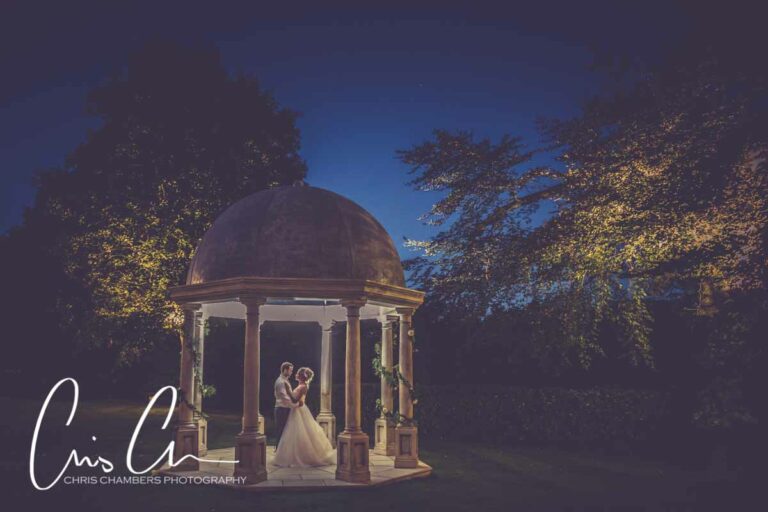
They’re particularly well suited to autumn and winter weddings, when the earlier sunset creates opportunities for atmospheric twilight wedding photography, dramatic evening portraits and photographs after dark.
For couples who don’t need photography from morning preparations through to the evening party, my new Twilight Wedding Photography Packages offer shorter coverage designed specifically around later wedding ceremonies.
Twilight Weddings Need a Different Approach to Photography
A twilight wedding doesn’t simply mean fewer hours of photography. It means those hours are photographed in more demanding lighting conditions requiring expertise and experience to maximise the available time. With a twilight ceremony, I may be starting photography at the point when natural daylight is already disappearing.
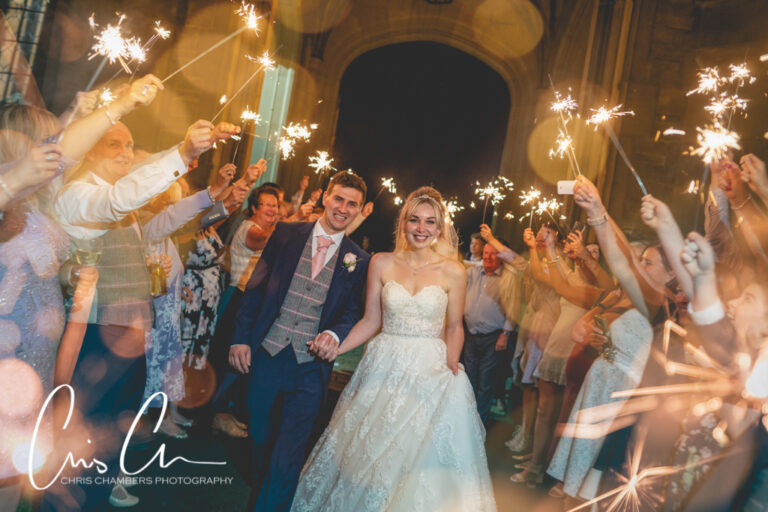
From a softly lit ceremony and indoor family photographs to speeches, the first dance and portraits outside after dark, I need to be comfortable working in constantly changing light.
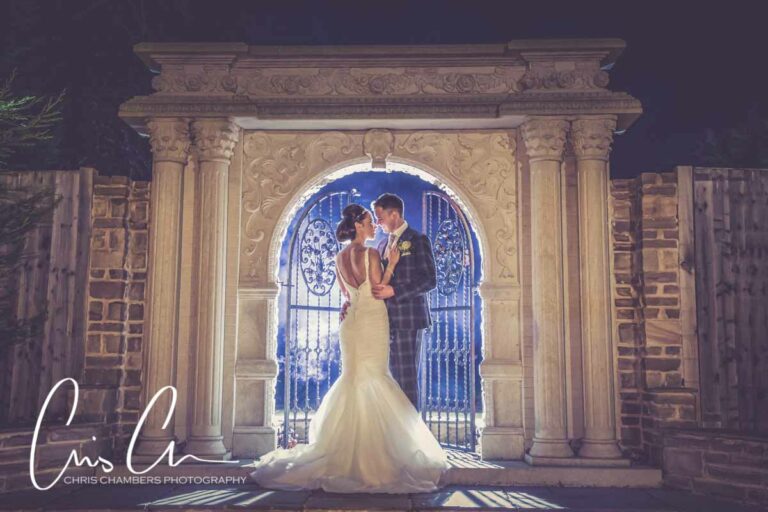
It’s one of the reasons I particularly enjoy twilight weddings. Some of my most distinctive and award-winning wedding photographs have been created after sunset, and that experience means you don’t need to worry about what happens when the daylight disappears.
Who’s Afraid of the Dark?
Photography becomes more challenging as daylight disappears. Modern cameras are incredibly capable in low light, but great evening wedding photography still relies heavily on the photographer knowing how to use the available light and, importantly, when and how to introduce additional lighting quickly.
If you’re planning a twilight wedding, choosing a photographer experienced in low light and after-dark wedding photography can make a huge difference to your photographs.


Tips for Choosing a Twilight Wedding Photographer
1. Look beyond the daytime portfolio
Ask to see photographs taken in genuinely challenging light, both indoors and outdoors. A photographer experienced with twilight weddings should be able to show consistent results from ceremonies, receptions and portraits after sunset.
2. Check their experience photographing dark indoor ceremonies
Twilight ceremonies can take place when there’s very little natural light entering the room. An experienced low-light wedding photographer should be comfortable working discreetly in darker ceremony spaces without distracting from the moment.
3. Look at their indoor reception photographs
It’s not just the ceremony that matters. Speeches, candid photographs, the first dance and evening celebrations can all take place in challenging lighting. Look for natural-looking skin tones and photographs that retain the atmosphere of the room.
4. Ask how they use flash and additional lighting
Flash doesn’t have to mean bright, flat or unnatural photographs. I regularly combine available light with carefully controlled flash and off-camera lighting, both indoors and outdoors, to create photographs that still feel like the venue and moment you remember.

5. Look for great photographs after dark
Once daylight disappears, your venue can become the backdrop for something completely different. In fact, many of my award-winning wedding photographs have been taken after dark, using creative lighting to make the most of the architecture, surroundings and atmosphere.
Venues such as Hazlewood Castle, Allerton Castle and Manor House Lindley are particularly suited to this style of twilight wedding photography, with plenty of opportunities for photographs both indoors and outside after sunset.
6. Choose someone comfortable working quickly
Around sunset and blue hour, the light can change dramatically in just a few minutes. Experience means knowing when to head outside and how to make the most of that short window without keeping you away from your wedding guests.
7. Look for consistency, not one impressive photograph
A dramatic night-time portrait is great, but your wedding gallery needs much more than that. Look for consistent photography across dark ceremonies, indoor receptions, candid moments, speeches, dancing and creative portraits after dark.
Award Winning Twilight Wedding Photography in Yorkshire
I’ve photographed weddings across Yorkshire, West Yorkshire and North Yorkshire, including venues such as Hazlewood Castle, Allerton Castle and Manor House Lindley, and I’m very comfortable working in challenging lighting conditions.
Low light photography has always been a significant part of my style, and many of my award-winning wedding photographs have been created after dark. Whether I’m photographing a candlelit ceremony, speeches in a softly lit reception room, the first dance or creating one of my signature portraits outside after sunset, I’m comfortable working when natural daylight is limited or has disappeared completely.

For me, darkness isn’t something to work around. It opens up a completely different set of creative possibilities, using the existing atmosphere of the venue alongside carefully controlled lighting to create photographs that simply wouldn’t be possible during the day.
For a twilight wedding, that experience is particularly important. Your photography coverage may begin when the available daylight is already fading, so there isn’t the luxury of relying on bright natural light for most of the day.
My twilight wedding packages are designed specifically for later ceremonies, giving you experienced professional wedding photography for the most important parts of your day without paying for full-day coverage you simply don’t need.